نحو مسارات التعلّم مدى الحياة في السياق الرقمي: تأملات من منتدى الألكسو 2026 بالرباط
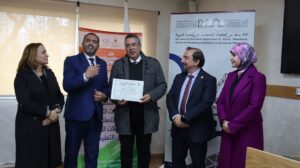
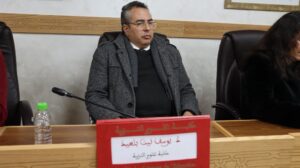
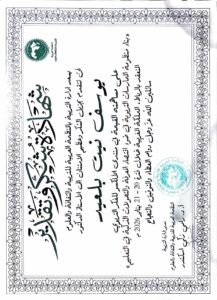
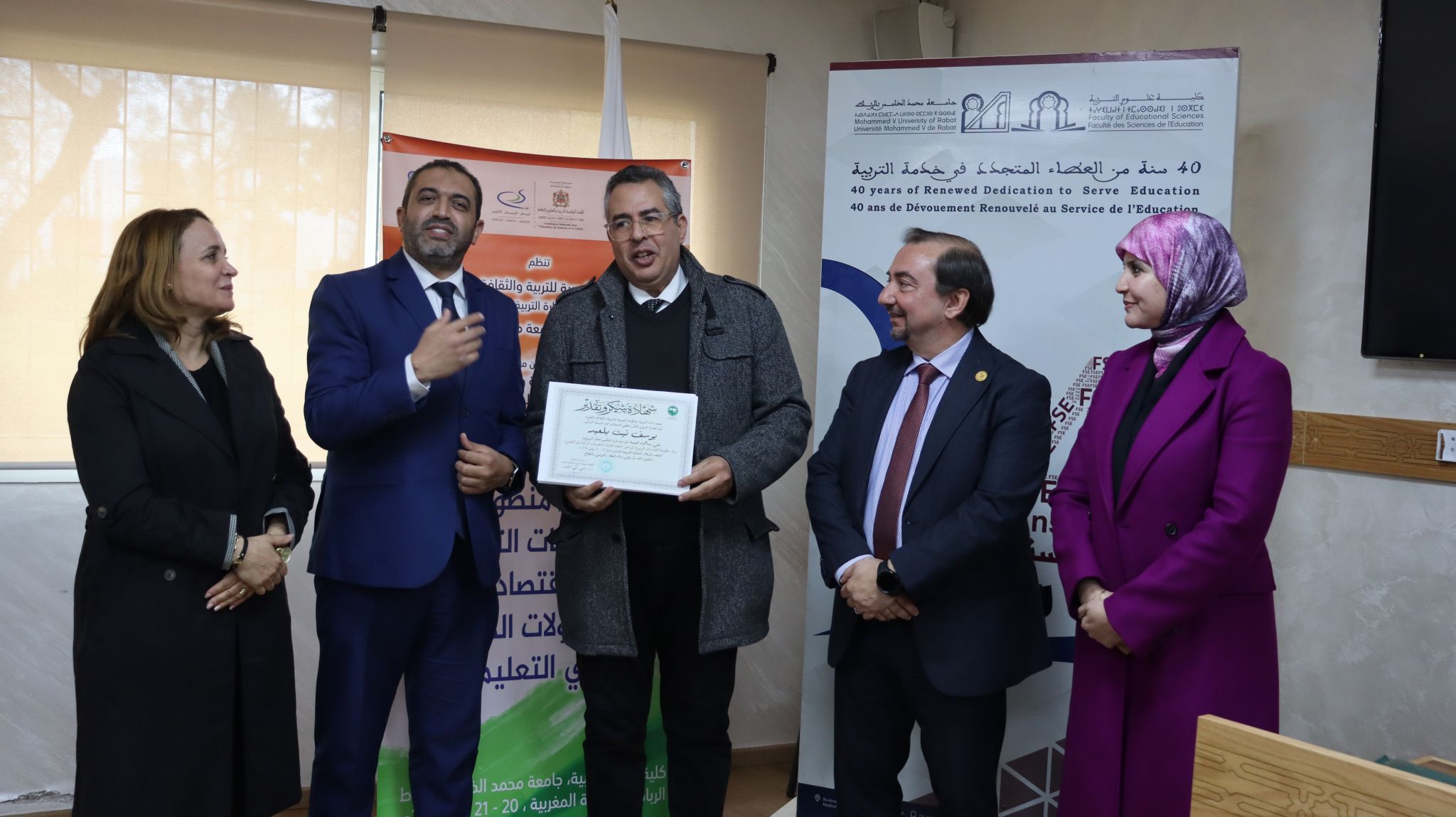
سعدت بالمشاركة في منتدى الألكسو للفكر التربوي الحديث – دورة 2026، الذي احتضنته كلية علوم التربية بجامعة محمد الخامس بالرباط، تحت شعار: »بناء منظومة الممارسات التربوية في ضوء اقتصاد المعرفة والتحولات الذكية في التعليم ».
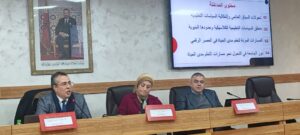
وقد قدّمتُ خلال هذا المنتدى مداخلة علمية بعنوان: « إعادة التفكير في السياسات التعليمية: نحو مسارات التعلّم مدى الحياة في العصر الرقمي »، تناولت فيها التحولات العميقة التي يشهدها التعليم في سياق عالمي يتسم بتسارع المعرفة، وهيمنة الرقمنة، وتنامي الذكاء الاصطناعي، وما تفرضه هذه التحولات من ضرورة الانتقال من منطق التعليم التقليدي إلى منطق مسارات التعلّم مدى الحياة القائمة على الكفايات، والمرونة، ومركزية المتعلّم.
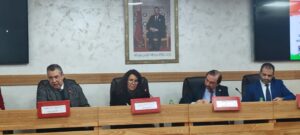
لقد شكّل هذا اللقاء الأكاديمي فضاءً غنيًا للحوار وتبادل الرؤى بين خبراء وباحثين من مختلف الدول العربية حول رهانات إصلاح السياسات التعليمية، ودور الجامعة في مواكبة التحولات المجتمعية والتكنولوجية، وتعزيز الابتكار البيداغوجي، وبناء منظومات تربوية أكثر شمولًا واستدامة.
كل الشكر للمنظمة العربية للتربية والثقافة والعلوم (الألكسو)، وللجنة الوطنية المغربية للتربية والعلوم والثقافة، ولكلية علوم التربية، على حسن التنظيم وثراء النقاشات، مع التطلع إلى مواصلة هذا النقاش العلمي البنّاء خدمة لمستقبل التعليم في عالمنا العربي.
Towards Lifelong Learning Pathways in the Digital Context: Reflections from the ALECSO Forum 2026 in Rabat
I was pleased to participate in the ALECSO Forum on Contemporary Educational Thought – 2026 Edition, hosted by the Faculty of Education, Mohammed V University in Rabat, under the theme: “Building Educational Practice Systems in the Light of the Knowledge Economy and Smart Transformations in Education.”
During the forum, I gave a presentation entitled: “Rethinking Educational Policies: Towards Lifelong Learning Pathways in the Digital Era,” in which I addressed the profound transformations shaping education in a global context marked by the acceleration of knowledge production, the dominance of digitalization, and the rapid expansion of artificial intelligence. These transformations call for a necessary shift from traditional models of education toward lifelong learning pathways based on competencies, flexibility, and learner-centered approaches.
This academic gathering provided a rich space for dialogue and exchange of perspectives among experts and researchers from various Arab countries on the challenges of educational policy reform, the evolving role of universities in responding to societal and technological transformations, the promotion of pedagogical innovation, and the development of more inclusive and sustainable educational systems.
My sincere thanks to the Arab League Educational, Cultural and Scientific Organization (ALECSO), the Moroccan National Commission for Education, Science and Culture, and the Faculty of Education for the excellent organization and the quality of discussions. I look forward to continuing this constructive academic dialogue in the service of the future of education in the Arab world.